ABOUT THE CANAL
The Stover Canal runs for just under 2 miles north of Newton Abbot to Ley Green, Teigngrace. Opened in 1792, the canal was built by James Templer II on his own land to move ball clay from the local area to the Potteries via the port of Teignmouth. It fell into disuse in the 1930’s and was reclaimed by nature until, in 1999, a group of dedicated volunteers started restoration of the canal and it’s features.
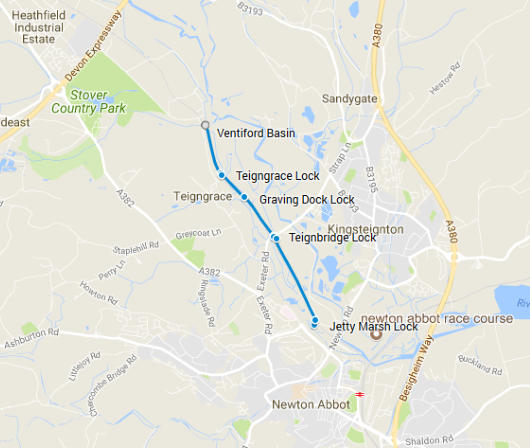
The Stover Canal can be found in South Devon, to the west of Kingsteignton. It is within easy reach of the A38 and A380 and runs alongside the old railway line from Newton Abbot to Heathfield near Bovey Tracey. However the only convenient car parking is available at the mid-point of the canal on the ‘old’ Exeter Road at Teignbridge. The canal is best accessed along the Stover Trail cycle and walking path.
FEATURES OF THE STOVER CANAL
Ventiford Basin
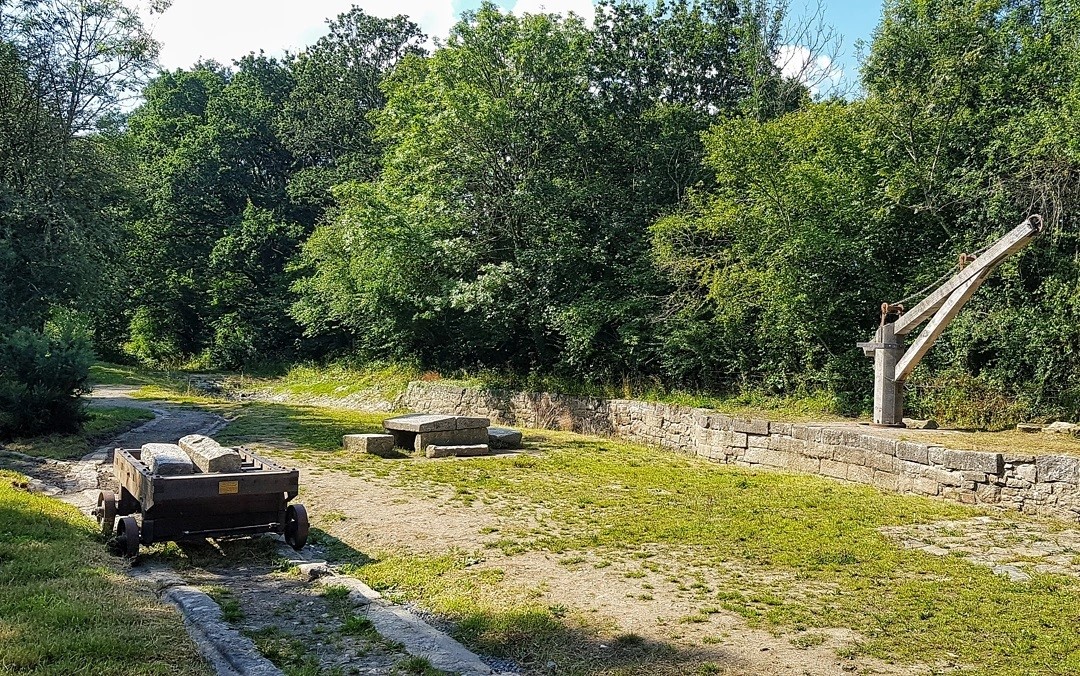
At the northern terminus at Ley Green, Teigngrace, is where clay from the Bovey Basin was loaded onto barges and taken down the canal to join the Whitelake Channel and the River Teign to Teignmouth. There it was transhipped onto coastal vessels for onward transmission to the Potteries.
In the 1820’s, Dartmoor granite from Haytor was brought here on George Templer’s ‘Granite Tramway’.
Teigngrace Lock
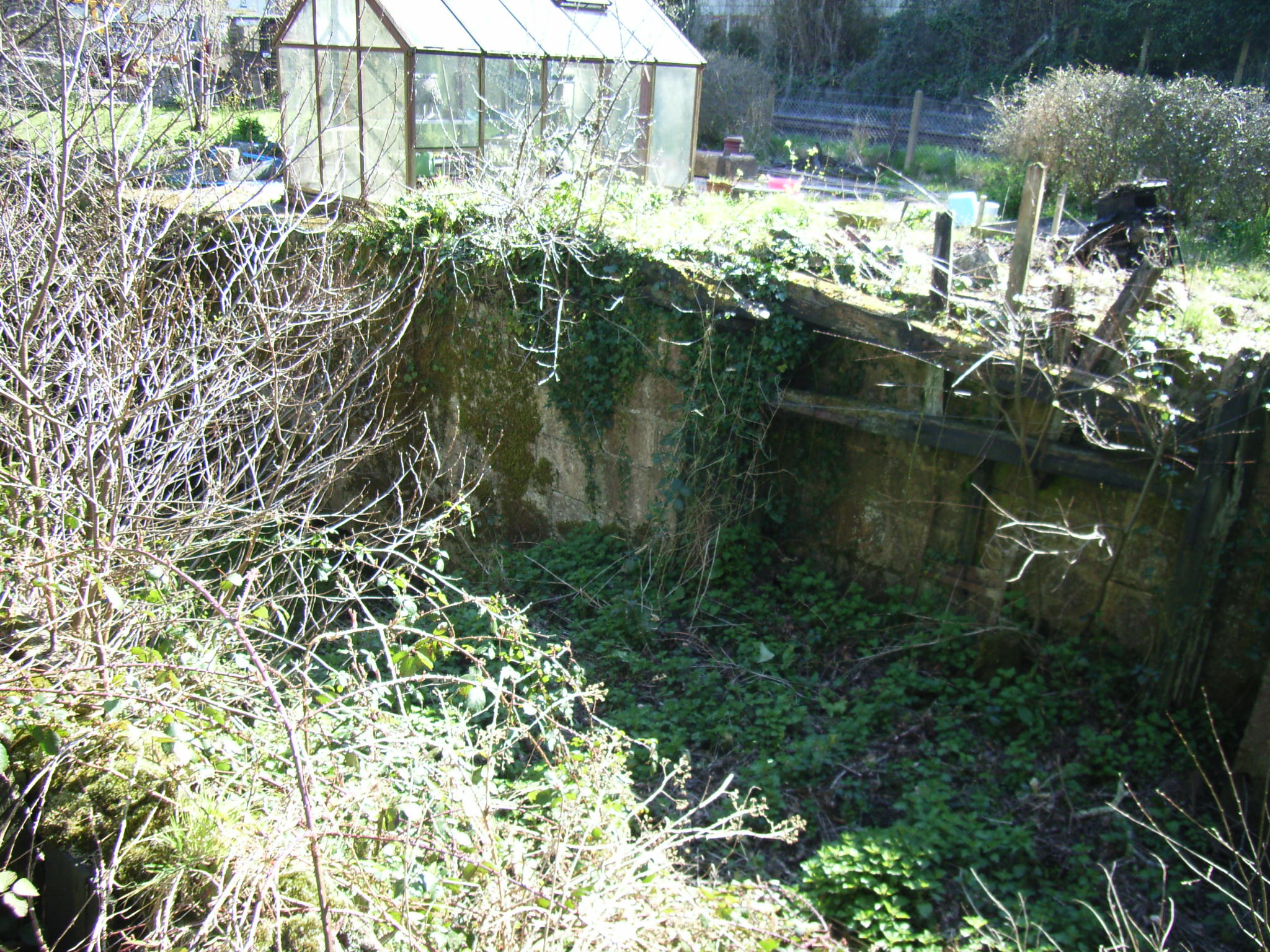
This was the site of the barge repair yard until the 1860’s when the railway arrived and the facility was moved downstream to Graving Dock Lock.
Graving Dock Lock
Originally built as a normal lock, this dry dock was created by moving out the eastern wall and forming a ‘shelf’ on which barges could be taken out of the water for repairs to be made. The steam boiler allowed planks to be shaped to fit the hull. Pitch was used to seal the hull and splashes still remain to be seen at either end of the dock.
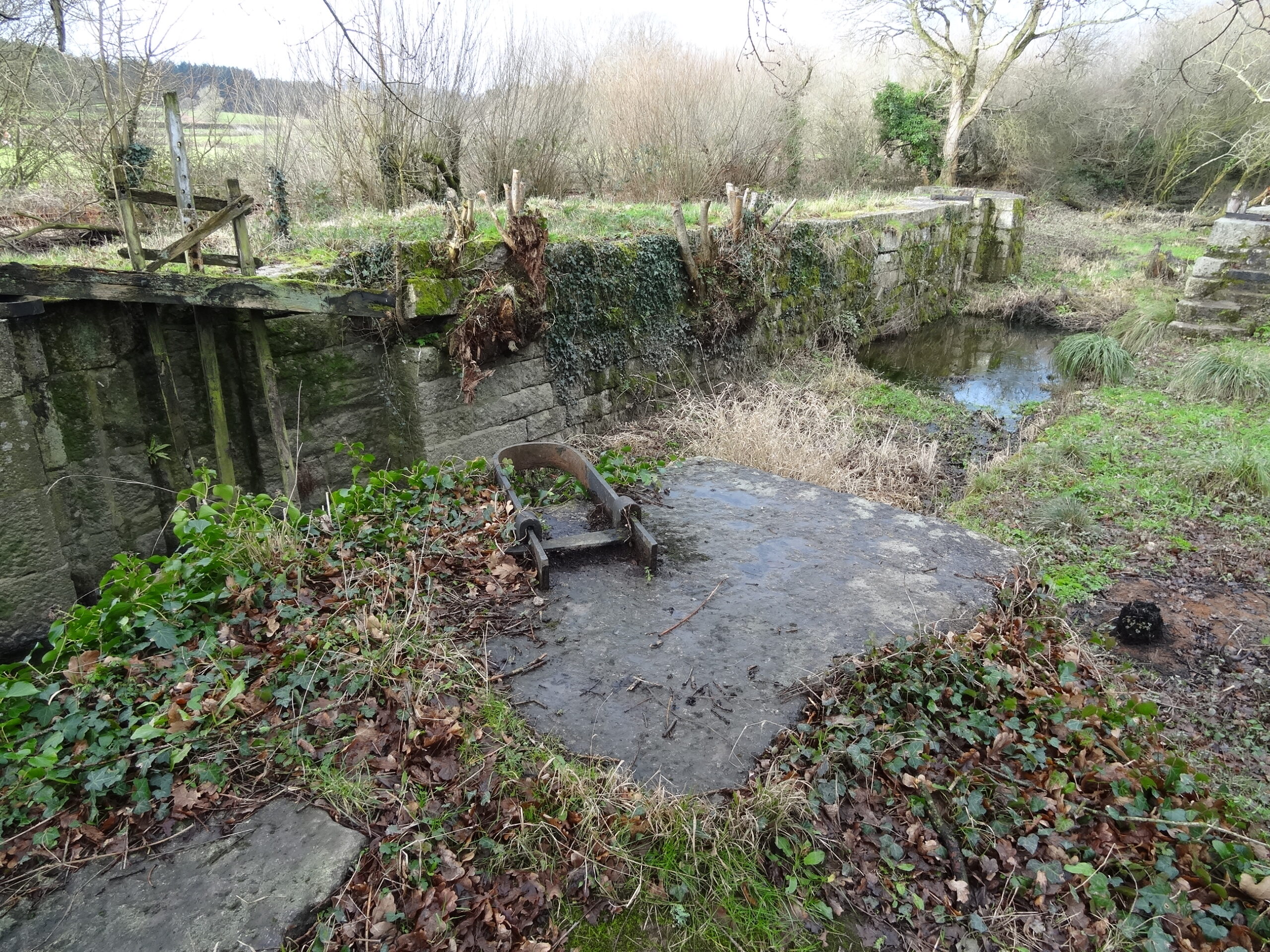
The Fishwick Feeder
Water entered the canal at Ventiford from the Ventiford Brook, the River Bovey and here from the River Teign. It was chanelled across the adjacent field via a sluice on the river near a property called Fishwick House.
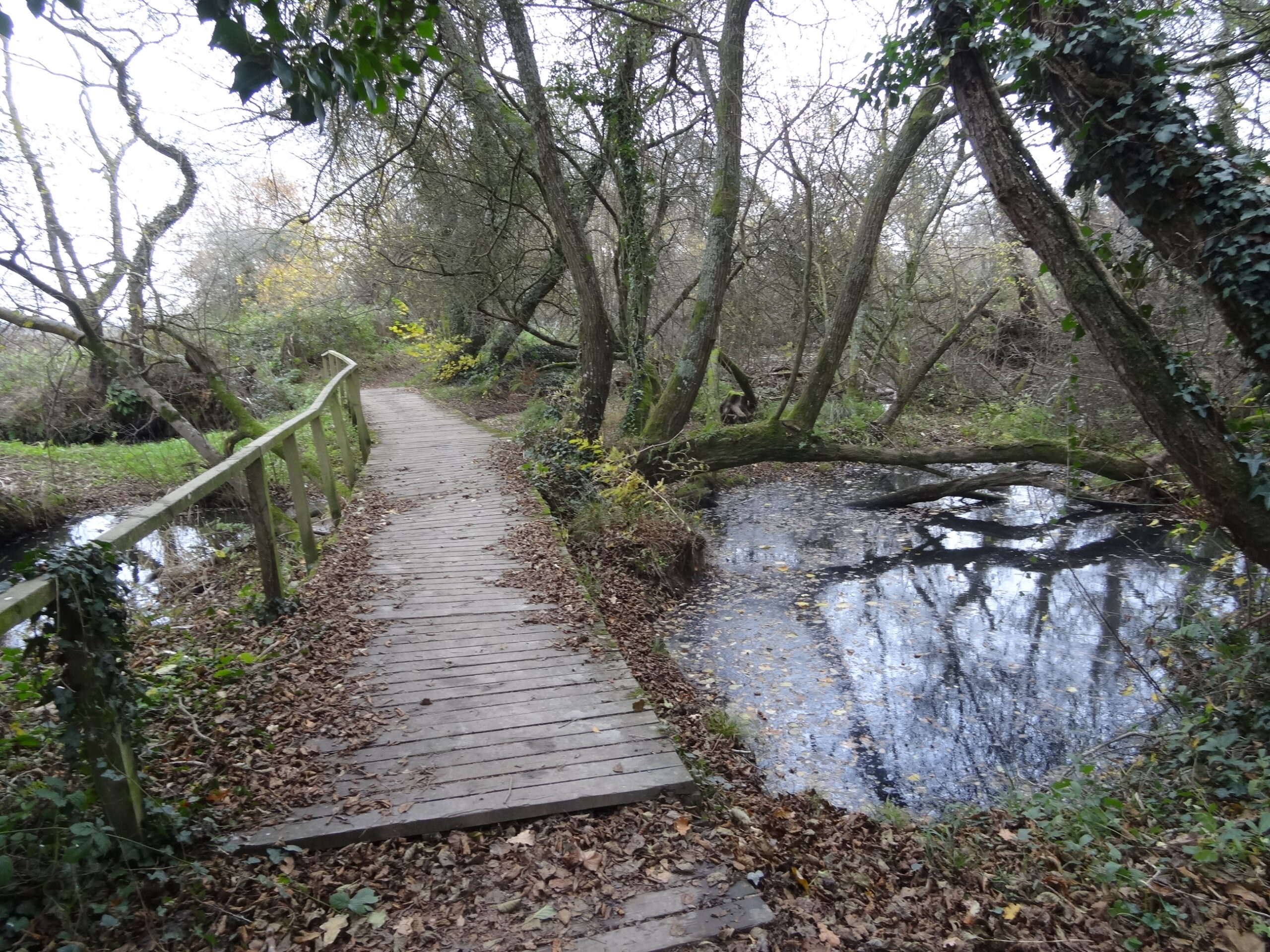
Teignbridge Lock
Just visible from the bridge over the canal on Old Exeter Road, little remains of this lock which was not rebuilt in granite as the others on the canal.
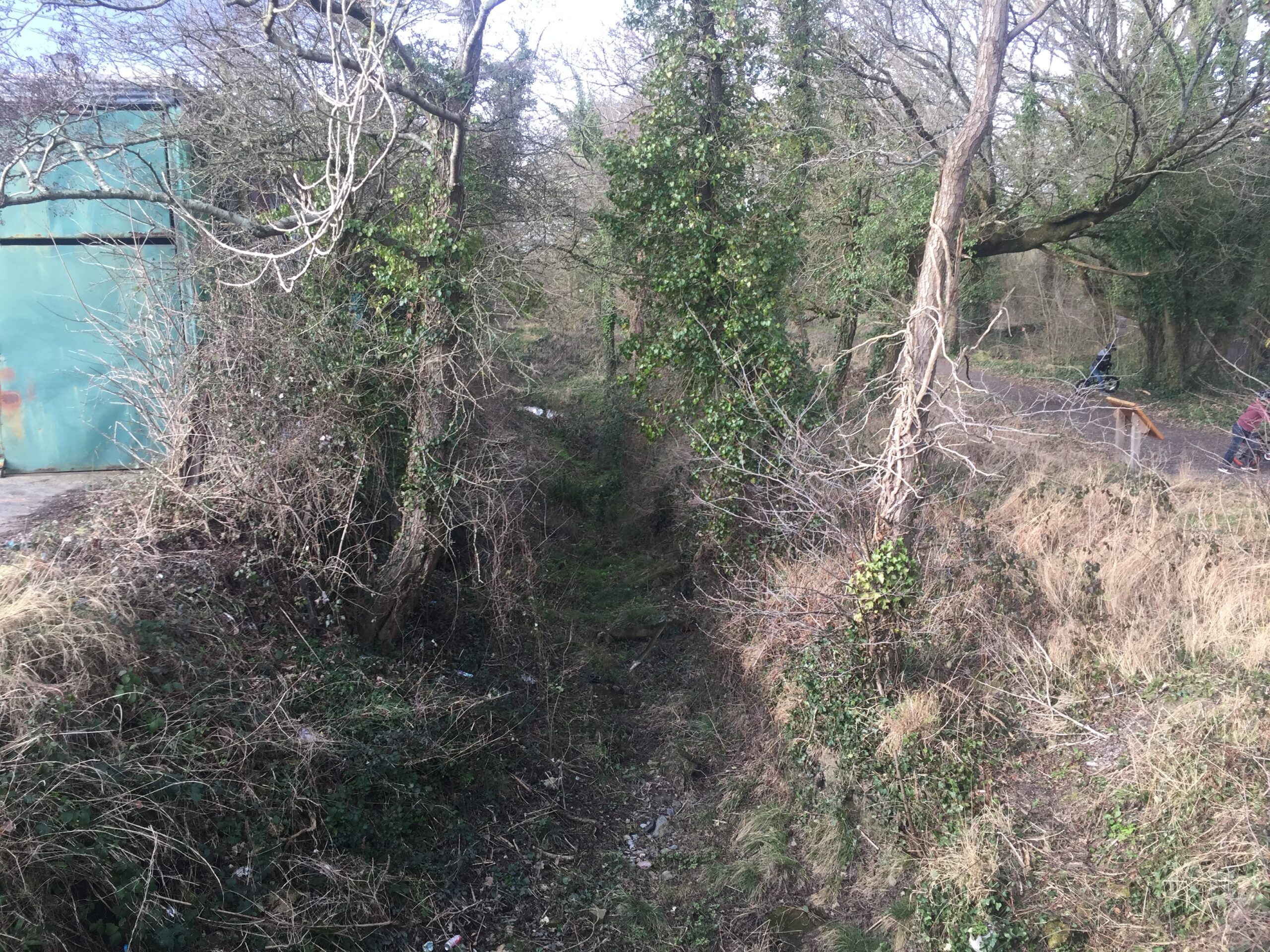
The Clay Cellars
Looking downstream from the bridge, the clay cellars are on the left bank. Offices of the clay company were situated here as well as storage sheds for clay.
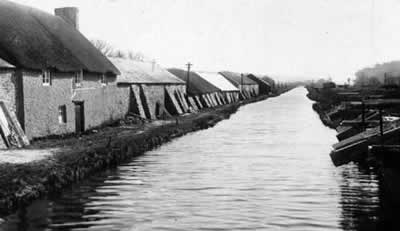
Jetty Marsh Lock
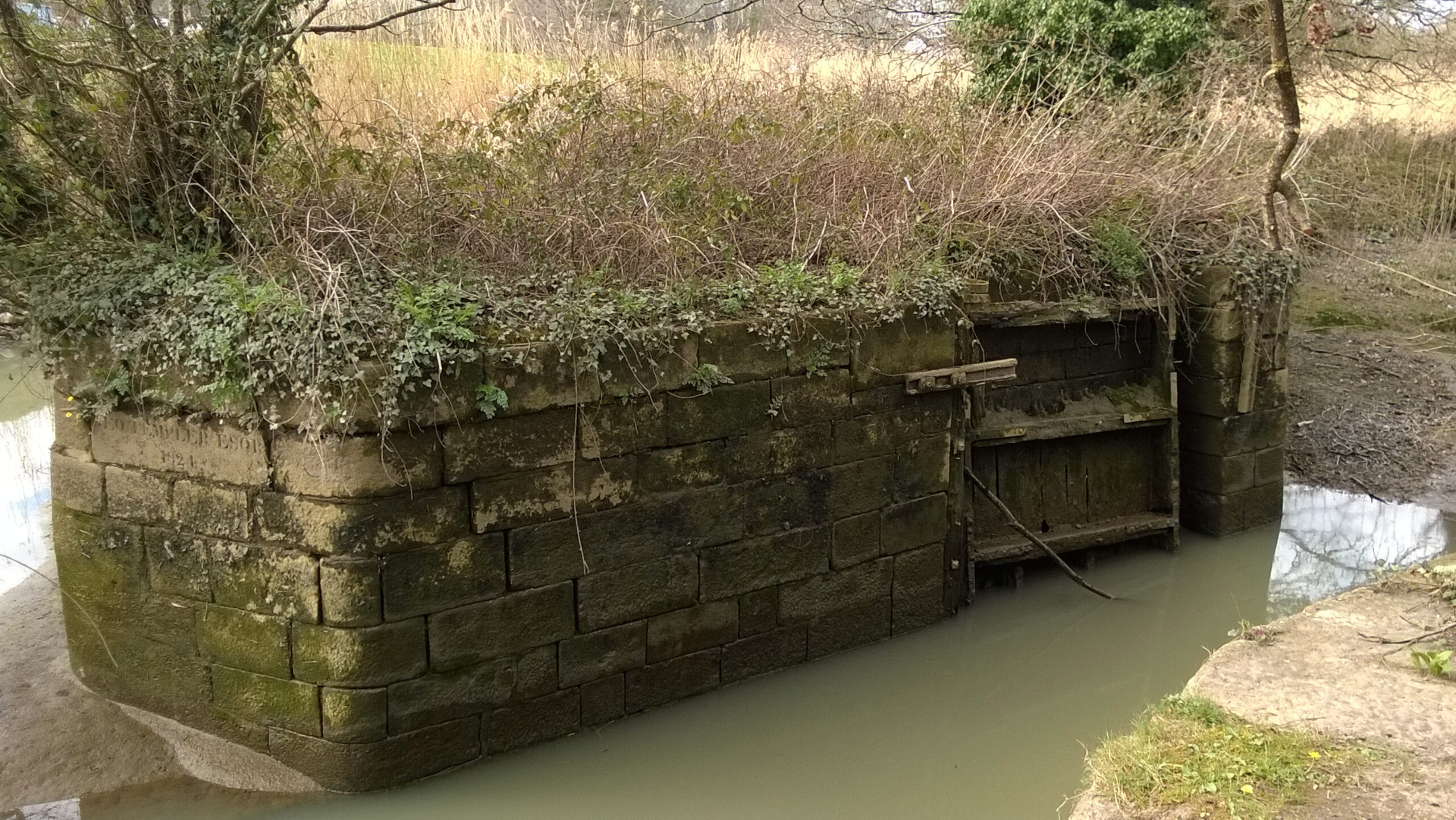
Here the canal linked with the tidal Whitelake Channel and onwards to the River Teign. A large basin was built to hold the barges until they could pass through the sea lock when the tide was at the right height. It was rebuilt in granite in 1824 and bears a plaque to that effect.